What Is a Short Squeeze? How It Works in Crypto Market
What Is a Short Squeeze? How It Works in Crypto Market
Learn what a short squeeze is, how short squeezes work in crypto, how long they last, short vs long squeezes and real crypto examples.
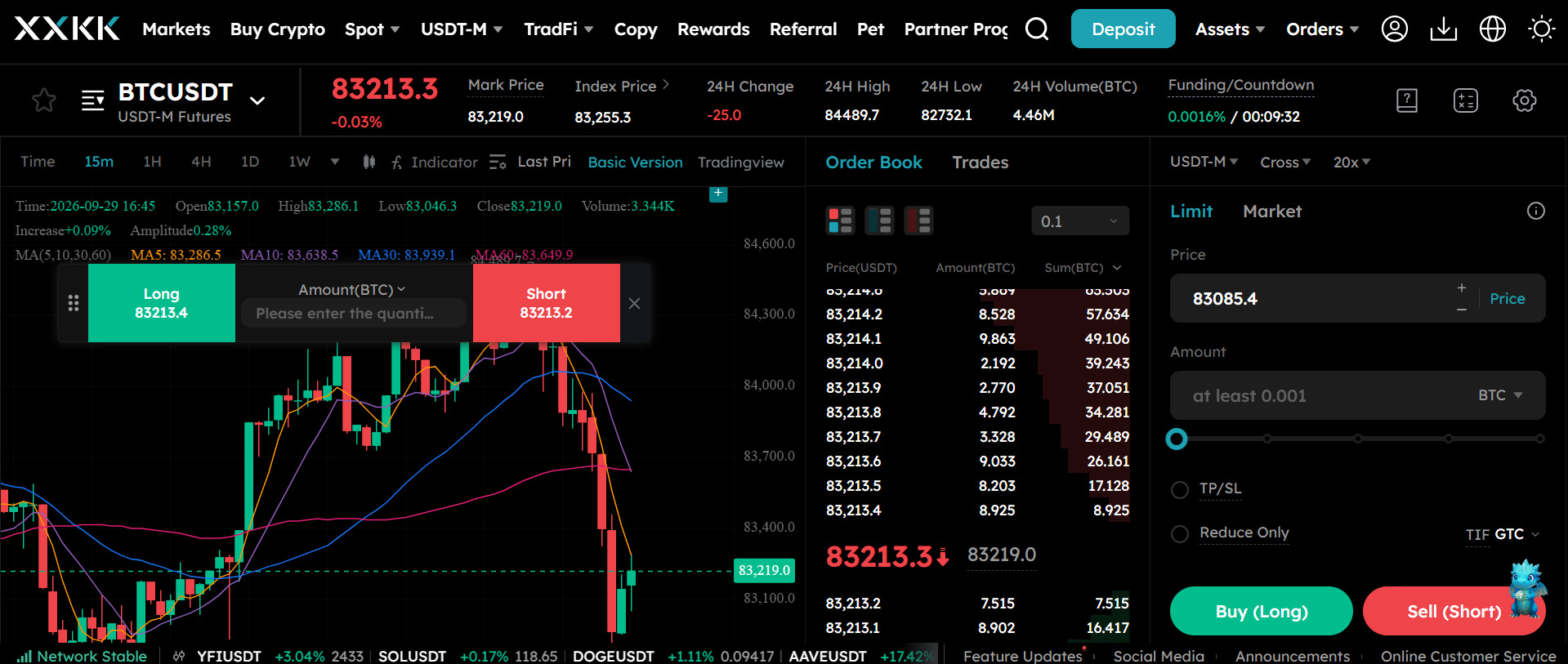
Quick Answer: A short squeeze happens when a sharp price increase puts pressure on short sellers to close their positions. Their buying activity, combined with liquidations and new demand, can increase upward price pressure. The duration varies based on leverage, liquidity, short positioning and market conditions. Key Takeaways: A short squeeze occurs when rising prices pressure traders holding short positions. Closing short positions involves buying, which can add upward pressure to the market. Understand how leverage and liquidations can amplify a short squeeze. A short squeeze can last minutes, hours, or longer depending on market conditions. A long squeeze works in the opposite direction, with falling prices pressuring leveraged long positions. The crypto market is capable of experiencing rapid changes due to volatility; a price rise which begins with a small number of buyers can in some cases cause a much bigger move when traders who had bet on prices falling are obliged to close out their positions. This scenario is It is referred to as a short squeeze. Short squeezes are particularly relevant in leveraged crypto markets, since traders in such markets use perpetual contracts and other derivatives to hold either long or short positions while trading. So what exactly is a short squeeze? A short squeeze occurs when the price of an asset rises sharply and traders who have taken short positions begin to close them down in order to reduce their losses or because their positions are about to be liquidated. To close a short position you must have an existing position; when a large number of short sellers buy at the same time their purchases increase the demand in the market. This could cause the price to rise, thereby placing extra pressure on other short positions. The process can create a cycle such that; when prices rise, short sellers suffer losses, so their short positions are closed, which causes buying to increase and as a result of that, the price goes up even more, leading to further short sellers being forced to close their positions. This may lead to a sharp rise in prices. A short squeeze doesn't always indicate that the underlying value of the asset has suddenly changed; it might be the result of positioning, leverage, liquidations, order flow and a shift in market sentiment. It is important for those who are just starting out to understand the difference between spot and contract markets, you can have a better understanding of these concepts in its Long and Short Trading Guide on XXKK exchange. If you want to understand how a short squeeze works, then you should start with a short position. A trader who has taken a short position believes that the price of the asset will drop. If the price drop, the trader could close the position at a lower price and make a profit from the difference, before taking into account the fees and other costs. For instance, imagine a cryptocurrency whose price is $100. The trader sets up a short position on the assumption that the price will drop; however, the price rises to $105 and then to $110. The person who short the trade is now suffering a loss. If the trader wishes to close out the position they had taken, they will have to buy it back; similarly, other short sellers who are suffering similar losses might decide to do the same. Imagine that a large number of traders have leveraged short positions; in that case, a minor rise in price could bring some of these positions near their liquidation levels. When those positions are liquidated, the trading system settles them in accordance with the rules of the contract. This may include buying in order to close out short positions. Additional upward pressure can result from more forced buying and leverage becomes important at this point. It is possible for traders to control a bigger position by using a smaller amount of collateral. It also makes the position more sensitive to changes in price. For instance, a short position which is highly leveraged has only a small amount of room before adverse price movements make liquidation risk significant. It doesn't follow that each sharp rise in price is the result of a short squeeze; a price may go up because of good news, greater demand, favourable market sentiment, big orders or other reasons. A short squeeze happens when the closing of short positions and the resulting buying play a significant role in the upward movement. For more details regarding perpetual contracts, check XXKK's Perpetual Contracts Explained. For how long does a short squeeze continue? Practically, there is no set length. The duration of a short squeeze can be a few minutes, several hours or longer, depending on the market conditions. Several factors can influence its duration. In a market where there is a high concentration of short positions, there are more positions available for closure should prices rise. The use of leverage means that when it is high the positions are nearer to the liquidation levels; it is therefore possible for a quick movement in price to cause more forced closures. In terms of liquidity, markets that have deep liquidity are better able to take large orders. When a number of traders act simultaneously, markets with low liquidity can result in more abrupt price movements. For new buyers, the squeeze might carry on if new demand comes into the market following the first move. A series of liquidations can lead to increased buying pressure and thus prolong the move. The attitude of the market is such that further buyers will enter the market if there is positive news or a change in sentiment. When the short positions have been closed and the buying pressure fades, the squeeze will then lose its momentum. The best way to understand a short squeeze in contrast to a long squeeze is to consider the direction in which position closures take place. A short squeeze usually occurs when there is a steep upward movement. People who short sell are expecting prices to go down; when the price moves up against them they can close their positions by purchasing and forced liquidations can also contribute to increased buying. A long squeeze has the effect in the opposite direction. People who trade over the long term have taken positions based on the expectation that prices will rise. If the price drops suddenly, they might get lose their positions by selling. Sales resulting from forced liquidations can increase the pressure to sell and cause the price to go down. The basic comparison looks like this: Short squeeze: Market moves sharply upward Short traders face losses Shorts are closed through buying Buying pressure can push prices higher Long squeeze: Market moves sharply downward Long traders face losses Longs are closed through selling Selling pressure can push prices lower These events demonstrate the way in which leverage and crowded positions can affect movements in the market. There have been a number of instances in the crypto markets when quick price rises have been accompanied by large-scale short-position liquidations. A case which was widely discussed took place during the sharp recovery that Bitcoin experienced at the end of 2020 and the beginning of 2021. The increase in demand, the improvement in market sentiment and the use of leverage all led to phases of rapid upward movement. One element of the market activity during some of these movements was short liquidations. Ethereum and a number of other major cryptocurrencies have also undergone phases in which sudden price rises caused short positions to be liquidated. These example of crypto short squeezes show a important fact, namely that liquidation data by itself cannot prove that a squeeze caused a full price movement. A short squeeze may form part of a wider market event which involves spot buying, derivatives positioning, news, changes in liquidity and shifts in sentiment. Source: XXKK Contract Trading Page If you are a trader or a beginner learning how the markets works, understanding squeeze conditions is important before entering a leveraged position. You can start by learning how perpetual contracts work. The XXKK's USDT-M Perpetual Contract guide explains all the basic mechanics of this type of contract. You can also checkout XXKK Markets to understand the assets and markets that are available on the platform. Before using leverage, consider: How large your position is relative to your available capital. Where your position can face a liquidation risk. How volatile the asset has been. Whether the market has unusually crowded long or short positioning. Know where you would exit if the market moves against you. Understand how much of your account you are willing to expose to a single position. Position sizing and predefined stop levels are two tools traders use to manage exposure. They do not prevent losses, but they help establish limits before a trade is opened. If you are new to contract trading, its good to check XXKK's Support Center and contract trading resources before using leverage. You can also create an XXKK account to explore the platform and available crypto markets. A short squeeze occurs when increasing prices put pressure on short sellers, prompting them to cover part of their positions by purchasing. When a large number of short positions are all closed at the same time, the extra buying can cause prices to rise more quickly. All the factors such as leverage, liquidations, open interest, liquidity and market sentiment always have an effect on a squeeze. There is no definite answer to the duration of a short squeeze. In some cases the situation disappears quickly, whereas in others it goes on as further positions are closed and new buyers join the market. It is particularly important to understand short squeezes when dealing with perpetual contracts. Before taking a leveraged position, you should study how the market works, know your liquidation risk and set position sizes and exit levels that are suitable for your own situation. A short squeeze occurs when a sharp increase in price causes those who have taken short positions to close them, generally by buying. If a large number of short positions are closed at the same time, the buying pressure resulting from this can then cause the price to rise further. A short squeeze happens when the price of an asset rises contrary to the positions that short sellers have. As their losses increase, some traders will close their positions; moreover, those with leveraged positions that have hit their liquidation levels may also have their positions automatically closed. This in turn results in more buying and causes the price to rise, thereby putting further pressure on the short positions. There is no fixed time frame; a short squeeze can continue for a few minutes, hours or even longer. The time it takes will vary according to factors including the level of short selling, the use of leverage, liquidity, the amount of liquidation taking place, the arrival of new buyers and market sentiment. A short squeeze typically results in a rise in price which puts pressure on short positions and leads to buying as these positions are closed. A long squeeze involves a fall in price which exerts pressure on long positions and causes selling as these positions are closed. Both events involve leveraged positions and forced closures, but they occur in opposite market directions.What Is a Short Squeeze? How It Works in Crypto Markets
What Is a Short Squeeze?
How a Short Squeeze Works: Short Sellers Forced to Buy
The role of leverage
How Long Does a Short Squeeze Last?
Short Squeeze vs Long Squeeze
Crypto Short Squeeze Examples and What They Teach
Spotting Short Squeeze Risk on XXKK
Conclusion
FAQs
What is a short squeeze?
How does a short squeeze work?
How long does a short squeeze last?
What is the difference between a short squeeze and a long squeeze?
