Slippage Explained: Why Crypto Orders Fill at Worse Prices
Slippage Explained: Why Crypto Orders Fill at Worse Prices
Learn what crypto slippage means, why orders fill at worse prices, how price impact differs from slippage and how to manage slippage tolerance.
Quick Answer: Slippage refers to the difference between a trade's expected price and its actual execution price. It often happens when liquidity is limited, prices move quickly, or an order is large relative to available depth. Key Takeaways: Learn how slippage measures the difference between expected and actual execution prices. Understand how limited depth, market volatility and large orders increase slippage. Learn how price impact measures the effect your order has on market price. Discover how slippage tolerance controls acceptable price movement on platforms that offer the setting. Checking depth and using limit orders when price control matters helps manage execution costs. When you see a cryptocurrency price at $1,000 and decide to buy, by the time your order is executed your average cost will be $1,005. The difference of $5 in this case is an example of slippage. Slippage is a normal occurrence in trading, particularly in situations where the markets are moving rapidly or when liquidity is limited. If you understand the reasons behind it, you will be able to judge what your execution price will be, select an appropriate slippage tolerance and prevent yourself from paying more than you expect when you place an order. Slippage refers to the gap between the price you anticipate when you place an order and the price at which the order actually gets executed. Positive slippage happens when you get a better price than you expected and negative slippage takes place when the price at which your order is executed is worse. With a buy order, negative slippage indicates that you end up paying a price higher than the reference price; with a sell order it means you receive less. Slippage is not the same as trading fees; fees are charges associated with a transaction, whereas slippage is the difference between the price expected and the actual price at which the transaction is executed. Slippage is commonly seen in crypto markets when a market order goes through several price levels in the order book. The following three factors account for the fact that an order is executed at a less favourable price than anticipated. 1. Limited market depth An order book includes buy and sell orders at various prices; when the volume near the current price is not sufficient, a big market order has to be matched with orders that are at less favorable prices. For example, if you wish to buy 10 tokens, only four of them are available at $20 whereas the other six are being offered at $20.20. The average execution price of your order will be $20.12, on the assumption that those quantities remain available. The market price shown was $20, but the entire order was filled at a higher average price. 2. Fast price movements Crypto prices can change within a matter of seconds. The price you end up with might be different from the one you first saw if other traders remove or carry out transactions on the orders that are available before your transaction gets to the market. 3. Large orders The greater the size of your order in comparison with the amount of available liquidity, the more price levels it is likely to use. This in turn will increase the chance of the slippage. Slippage is also a factor in decentralised exchanges which use liquidity pools; in such cases, swaps deal with the pooled assets rather than a traditional central limit order book. Although the way in which the system works is different, the end result can still be an execution price that is worse than expected. Slippage and price impact are kind of similar, but they refer to different aspects of the execution process. Price impact is the change in the market price that results from your own order; for instance, a big buy order could use up the available sell liquidity and end up causing the price to rise as it is executed. Slippage refers to the gap between the price that you expect and the actual price at which your order is executed; it shows the result of the execution, taking into account any changes in market conditions and the impact of available liquidity. It is important to clarify this distinction since it is possible for the market to go against your order even if the first price appears attractive. By looking at the order book before you trade, you will be able to judge the amount of liquidity available and get an estimate of the likely execution cost. Slippage tolerance refers to the greatest price difference that you are willing to tolerate in a transaction when the trading platform has this feature. The tight tolerance specifies how far the execution price can move. Yet the transaction could still fail or stay unfilled if the market goes beyond your limit. A more relaxed tolerance means that a greater amount of price movement can occur before the transaction is rejected. Then what figure for slippage tolerance should you choose? No single percentage will be appropriate in every situation. You must consider the asset's liquidity, the extent of its recent volatility, the size of the order and the method of trading. For example, a liquid trading pair under stable conditions could have a tighter tolerance than a thinly traded token when experiencing a sharp price movement. It would not be appropriate to increase the tolerance just in order to carry out a transaction without first considering the likely execution price. You must also remember that the slippage tolerance on a decentralised swap is not the same as a guaranteed execution price on a centralised exchange since the options available depend on the platform and the type of order. It is impossible to get rid of slippage in all market conditions, but there are numbers of measures which can help lessen its impact. Look at the market depth: before placing a large order, check the amounts available at prices near to yours. By reducing the order size: a smaller order usually uses less liquidity and has a smaller effect on the price. It is possible to break up large orders: divide a big trade into smaller ones and then review the market between carrying out the orders. However, this method does not ensure a better outcome since prices and fees may change. You should use limit orders if you want to have control over the price: a limit order determines the highest price you are willing to accept; it may not be executed if the market doesn't reach that price. Do not proceed quickly: when there are sharp changes in price, you should check the market once more before confirming your order. Look at the expected execution price and the actual execution price: by reviewing the trades that have already been completed, you can gain an understanding of the amount of slippage that takes place under various market conditions. Which approach you choose will depend on your priority; market orders are better for getting quick executions, whereas limit orders give you greater control over the price but at the expense of certainty about execution. When you are about to place a trade, go to XXKK Markets and choose the trading pair that you want to use. Have a look at the current price and at the available order book depth, and then compare the amount you plan to trade with the liquidity that is available near your expected execution price. When placing a large market order, check that the available volume is sufficient to fill your order without having to pass through a large number of price levels. Before confirming the order, check again because the visible liquidity may have changed. To review market information before confirming your trades, open an XXKK account. If you require a specific execution price, it is better to use a limit order rather than depend on a market order to execute at or near the last traded price. It is slippage that causes the actual execution price to differ from the one you expected; common reasons include limited depth, rapid market movements and large orders, whereas price impact refers to the way your own order influences the market. In order to deal with slippage, you should carefully check the depth, size and the order details; use limit orders when it is important to have price control, and select an appropriate tolerance whenever this option is available. A bit of preparation prior to sending an order will help you to understand the cost of executing the order. Slippage refers to the gap between the price at which a trade was expected to be executed and the actual price at which it was executed; this gap can be either positive or negative. Your order could have used up the available liquidity at worse prices, or the market might have changed before the order was executed. The chances of experiencing negative slippage are greater when large orders are placed or when the order book is thin. The price movement that results from your own order is known as price impact. Slippage refers to the difference between the execution price you expected and the actual execution price. One possible cause of slippage is price impact. When choosing a tolerance, you should consider how liquid the market is, the level of volatility, the size of the order, and the greatest price difference that you are able to tolerate. A more tightly set tolerance will limit price movement but increase the chances of a transaction failing while a more loose tolerance permits greater movement and demands greater caution.Slippage Explained: Why You Get Filled at a Worse Price
What Is Slippage?
Why Slippage Happens: Depth, Speed, and Order Size
Slippage vs Price Impact: Not the Same Thing
Setting Slippage Tolerance: Too Tight vs Too Loose
How to Reduce Slippage on Your Own Orders
Checking Expected Execution on XXKK
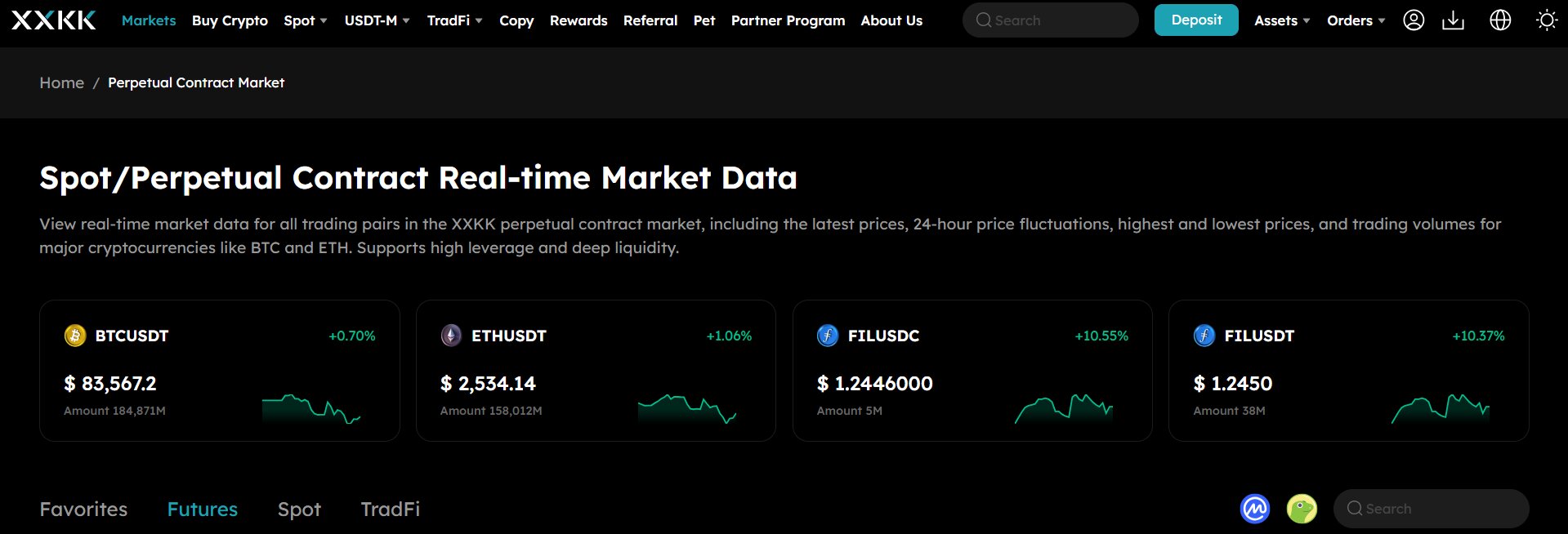 Source: XXKK Market Page
Conclusion
FAQs
What is slippage?
Why did my order fill at a worse price?
What is the difference between slippage and price impact?
What slippage tolerance should I set?
