Bitcoin Wallet Basics: Address Types, UTXOs and Safety
Bitcoin Wallet Basics: Address Types, UTXOs and Safety
bitcoin wallet, best bitcoin wallet, bitcoin wallet address, how to create a bitcoin wallet, bitcoin wallet app, bitcoin wallet security, Bitcoin UTXO, Bitcoin address types.
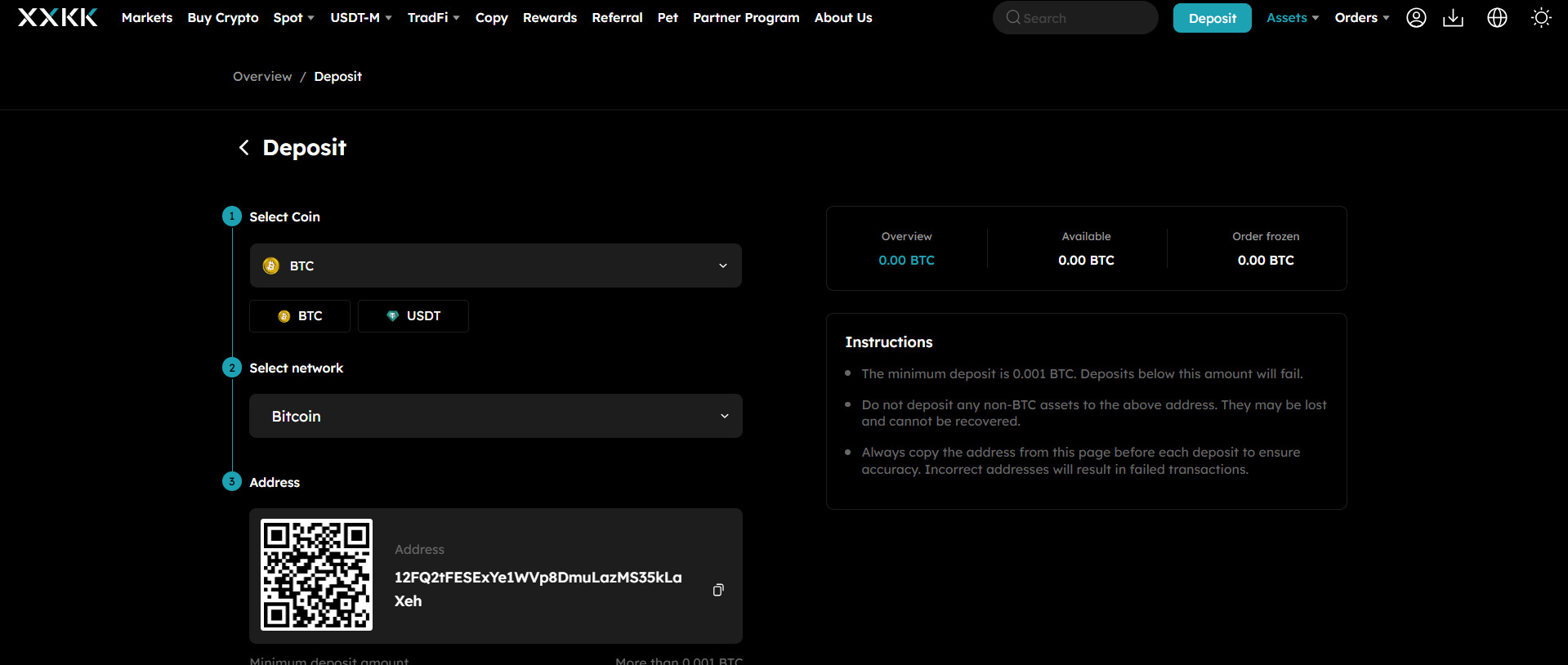
Quick Answer: Key Takeaways: Learn how Bitcoin wallets, addresses and UTXOs work before sending or receiving BTC. Understand the differences between Legacy, SegWit and Taproot addresses. Protect your recovery phrase and private keys from unauthorized access. Compare wallet apps and hardware wallets based on your usage and security needs. Understand how to verify Bitcoin addresses and network details before confirming a transaction. One of the first tools you may need when using Bitcoin is a Bitcoin wallet; it enables you to receive BTC, carry out transactions, manage your wallet addresses and retain access to your funds. Bitcoin wallets involve several concepts that can confuse new users, and terms like Legacy, SegWit, Taproot, UTXO, seed phrase and private key become important when you start to use Bitcoin on a regular basis. This article explains the basics in simple language. You shall find out how Bitcoin wallet addresses function, how UTXOs are used, how to select a wallet app and also how to recover your wallet using a backup. If you want a more comprehensive introduction to the various kinds of crypto wallets, see XXKK's Crypto Wallets Guide. A Bitcoin wallet is a software or hardware device that is used for managing Bitcoin private keys and for interacting with the Bitcoin network. Bitcoin is stored on the blockchain and your wallet manages the private keys or other signing credentials needed to authorize Bitcoin transactions associated with your addresses. For instance, if you wish to receive BTC, you have to give the sender your Bitcoin wallet address and when you are sending BTC, your wallet uses your private key to authorize the transaction. The importance of this distinction lies in the fact that if you lose your wallet credentials, you shall not be able to access your BTC. If you are new to the different types of wallets and would like to find out how crypto wallets work, you should read the XXKK Crypto Wallets Guide. Source: XXKK Bitcoin Deposit Page A Bitcoin wallet address indicates the destination for your BTC. As the network develops, various formats of Bitcoin addresses have emerged. Legacy addresses generally refer to Pay-to-Public-Key-Hash (P2PKH) addresses and typically start with the number “1.” For example: 1ExampleBitcoinAddress... Support for legacy addresses continues to be available on the Bitcoin network, but the more recent address formats provide benefits in terms of transaction performance and functionality. SegWit is short for Segregated Witness; addresses start with "3" in the case of compatibility formats or with "bc1" when they are native SegWit addresses. Native SegWit addresses, commonly known as Bech32 addresses, were introduced in order to improve transaction performance and to reduce the amount of data needed for certain transactions. Taproot is an upgrade to Bitcoin with advanced improvements to scripting and those relating to privacy; addresses based on Taproot usually start with "bc1p". For ordinary users, the key thing is this: there are different formats of Bitcoin wallet addresses, and the wallet or the exchange you are using has to support the format you are employing. Before you confirm a Bitcoin transaction, make sure that you carefully check the network and the address. UTXO is the abbreviation for Unspent Transaction Output. An UTXO is a certain amount of Bitcoin that has been obtained in a previous transaction and is still available for spending. Assuming you receive: 0.01 BTC from one transaction, Your wallet might show a total balance of 0.09 BTC, the Bitcoin network tracks these amounts as separate UTXOs. This is why Bitcoin transactions work differently from the traditional bank balance. Security starts with protecting access to your wallet. If you use a self-custody bitcoin wallet, your recovery phrase and private keys need strong protection. Follow these practices: Store your recovery phrase offline and in a secure place. Do not give your recovery phrase to anyone else. Do not save your recovery phrase in screenshots, in public cloud storage or in unsecured notes. Download your wallet from the official source. Keep wallet applications and devices updated. Before you confirm the transaction, make sure you have checked the recipient's address. Avoid links asking you to connect your wallet or enter your recovery phrase. For users managing assets through XXKK, check the XXKK Account Security Guide before moving funds. A typical sign that something is a scam is that a person or a website requests your recovery phrase in order to 'verify', 'activate', or 'recover' your wallet, so you should avoid this. It is important that your recovery phrase stays private. When looking for the best bitcoin wallet, you usually find a wide variety of apps and devices, and no one wallet is suitable for all users. Rather, when comparing wallets, consider how you plan to use Bitcoin. Security features: Check how the wallet protects private keys and whether it supports features such as PIN protection, encryption or hardware-based security. Backup and recovery: Understand how the wallet creates backups and how recovery works before depositing your BTC. Address support: Check whether the wallet supports the Bitcoin address format you need. Ease of use: Beginners usually benefit from a simple interface that makes sending and receiving BTC easier to understand. Reputation and maintenance: Use established wallet software from official sources and check whether the project receives periodic security updates. For larger amounts or long-term self-custody, some users consider hardware wallets because the private keys remain separated from an internet-connected device during normal use. The safest choice is based on your security needs, technical knowledge and how you plan to manage your BTC. Recovering access to a self-custody wallet usually relies on the backup you made when you first set up your account. Most modern wallets include a recovery phrase, usually being 12 or 24 words in length. When you use the right recovery phrase, you will gain access to your wallet addresses and funds. Follow these simple steps: Download the wallet from the official website or app store. Choose your preferred wallet recovery option. Enter your recovery phrase in the correct order. Finish setting up any additional security measures. Check your Bitcoin balance and addresses. Do not input your recovery phrase into a wallet that is sent to you via a message you did not request. If you use XXKK for your crypto activities, you can also check the Crypto Withdrawal Guide for guidance on moving cryptocurrency from your account. It's easier to understand Bitcoin wallets once you separate out the main concepts. The wallet is in charge of the keys that are used to authorize Bitcoin transactions; the address of your bitcoin wallet acts as a destination for receiving BTC; UTXOs are the transaction outputs that are recordable on the Bitcoin network. Security requires that your recovery phrase, private keys, wallet software, and transaction addresses be handled with care. If you are ready to explore cryptocurrency markets, you can create an XXKK account and check available markets through XXKK Markets. When you transfer BTC, make sure you use a verified wallet and withdrawal addresses, check the Bitcoin network and then go over the transaction details before you send it. You can get your own bitcoin wallet by installing a trusted wallet or by setting up a hardware wallet from an official source; during the setup process, the wallet usually produces a recovery phrase. Make sure to store this phrase and keep it private. A Bitcoin wallet address is a destination that others can use to send BTC to you. Your wallet manages the keys needed to access and spend the BTC associated with your addresses. Before sending funds, it is necessary to verify the address since Bitcoin transactions are usually irreversible after they have been confirmed. The type of wallet you choose depends on how you plan to use Bitcoin and on your security needs. Hardware wallets offer an extra level of separation between your private keys and devices that are connected to the internet. Software wallets, on the other hand, offer convenience when it comes to making frequent transactions. A bitcoin wallet is usually recovered by using the backup or recovery phrase. You should install the official wallet software, choose the recovery option and then enter the phrase in the correct order. When the recovery phrase is lost, the available recovery options will vary according to the wallet's backup system. If you want to add Bitcoin to your wallet, then you should open the wallet and choose the option to receive BTC. You can use the bitcoin wallet address or use the QR code provided by the wallet.Bitcoin Wallet Basics: Address Types, UTXOs and Safety
A bitcoin wallet manages the keys used to access and transact with BTC. Bitcoin wallet addresses identify where BTC should be sent, while UTXOs represent Bitcoin outputs available to spend. Understanding address types, backups and wallet security helps you manage BTC more safely. XXKK Home BTC Page
What Is a Bitcoin Wallet?
Bitcoin Address Types: Legacy, SegWit and Taproot
Legacy addresses
SegWit addresses
Taproot addresses
How UTXOs Work in a Bitcoin Wallet
0.03 BTC from another transaction,
0.05 BTC from another transaction.Bitcoin Wallet Security Practices and Warning Signs
How to Choose a Bitcoin Wallet App
Recovering a Bitcoin Wallet From a Backup
Conclusion
FAQs
How do I get a Bitcoin wallet?
How do bitcoin wallet addresses work?
What is the safest type of bitcoin wallet?
How do you recover a bitcoin wallet?
How to add bitcoin to wallet?
